How to Choose a Modern Fire Pit That Complements Your Patio
Start With Your Fuel Type
The first decision when shopping for a modern fire pit is what fuel it will use. Wood-burning models give you the crackling sound and campfire smell many people want. They also tend to cost less upfront. The trade-off is more cleanup and the need to store seasoned firewood. Gas-powered fire pits, which run on natural gas or propane, light at the push of a button and produce no ash or smoke. Propane models are portable because they use a removable tank. Natural gas units must be connected to your home's gas line and stay in one place. A third option is a gel-fuel fire pit. These are small, easy to move, and need no installation. Their heat output is lower, so they work best for a tabletop accent rather than primary warmth. The fuel type you choose will shape everything else about your purchase.
Measure Your Patio and Check Local Rules
Before you look at designs, measure the space where the fire pit will sit. A common mistake is buying a unit that overpowers a small patio or gets lost on a large one. You need at least six feet of clearance from the fire pit to your house, furniture, plants, and any overhanging branches. This safety clearance is not optional. Many modern fire pits come with a protective cover, which helps when the unit is not in use. Check your city or homeowners association rules too. Some areas ban wood fires during dry months or require a minimum distance from property lines. Gas fire pits may need a permit if you plan to connect them to a natural gas line. Knowing these limits before you buy saves frustration later.
Look at the Burner System and Heat Output
For gas models, the burner system is the heart of the fire pit. A stainless steel burner resists rust and distributes gas evenly, which gives you a steady, even flame. Cheaper burners may corrode over time or produce uneven heat. The heat output is measured in British thermal units (BTU). A higher BTU number means more heat. For a patio that seats four to six people, a unit with 30,000 to 50,000 BTU is usually enough. Larger gatherings or cooler climates call for more. But a high BTU rating alone is not enough. The fire bowl depth and shape also affect how the heat radiates. A shallow bowl with fire glass gives a modern look but may not throw heat as far as a deeper bowl filled with lava rock. Think about whether you want the fire pit mainly for warmth or as a visual centerpiece. That balance guides your choice.
One growing category is patio fire pits that combine a gas burner with a sleek fire bowl. These designs keep the flame contained and let you use decorative media like fire glass or ceramic stones. The glass does not absorb smoke and comes in many colors, so you can match it to your patio furniture. The burner system in these units is usually hidden beneath the glass, which gives a clean, modern look. When shopping, check if the burner includes an electronic ignition or a manual match-lit system. Electronic ignition is more convenient but needs a battery or power source. Manual systems work every time but require a long lighter. Both are fine; pick what fits your routine.
Choose Materials That Withstand the Weather
Modern fire pits sit outside year-round, so weather resistance matters. The main materials are steel, aluminum, concrete, and stone. Powder-coated steel is common and affordable, but the coating can chip over time, especially if the unit is moved often. Stainless steel resists rust better but costs more. Aluminum is lightweight and does not rust, making it a good choice if you plan to move the fire pit around your patio. Concrete and stone offer a heavier, permanent look. They hold heat well and weather gracefully, but they are hard to relocate once placed. Whichever material you choose, look for a protective cover to shield the unit from rain and snow. Covers prevent water from pooling in the fire bowl and protect the burner system from debris. Some fire pits include a cover in the box; others sell one separately. Factor that into your budget.
Decide on Shape and Size for Your Seating Layout
The shape of the fire pit affects how people gather around it. Round models are the most common because they create an equal distance from the flame for everyone. They work well with a circular seating arrangement. Square and rectangular fire pits suit larger groups and fit better against a straight patio edge or next to a long outdoor sofa. Some modern fire pits double as tables with a lid that covers the fire bowl when not in use. This type gives you a flat surface for drinks and plates, which is useful on a smaller patio. The size should leave enough room for people to walk around the fire pit without squeezing past the furniture. A diameter between 36 and 48 inches is a comfortable range for most seating groups. Measure your patio furniture layout before you commit to a size.
Think About Portability and Installation
Some fire pits are designed to stay in one spot, while others can be moved easily. A portable propane model lets you rearrange your patio or take the fire pit to a different part of the yard. These units are lighter and usually have wheels or a carrying handle. Permanent natural gas models require professional installation, including running a gas line and possibly pouring a concrete pad. The installation cost adds to the total price, but you never have to refill a propane tank. If you rent your home or plan to move in a few years, a portable model might be the better choice. Also consider how you will store the fire pit during harsh weather. If you live in an area with heavy snow or high winds, a portable unit that fits in a garage or shed will last longer than a permanent one left uncovered.
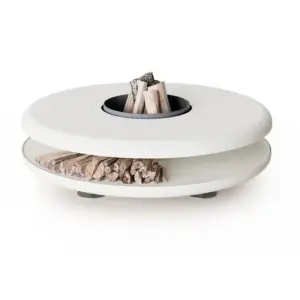
The variety of patio fire pits available today means you can find one that matches both your style and your practical needs. From sleek stainless steel bowls to textured concrete cubes, the look of your fire pit can set the tone for your entire outdoor space. The key is to balance the visual appeal with the functional demands of your patio: the fuel you prefer, the heat you need, the space you have, and the weather your area brings.
Don't Forget the Accessories
Once you choose the fire pit itself, a few extras make the experience better. A protective cover is essential for extending the life of the unit. A spark screen is useful for wood-burning models to keep embers from escaping. For gas units, consider a wind guard if your patio is exposed to breezes; wind can blow out the flame or make it burn unevenly. If you pick a fire pit that uses fire glass, buy an extra bag so you have enough to cover the burner completely. A full layer of glass hides the burner and gives an even glow. Some people also add a fire pit mat to protect the patio surface from sparks or heat. These accessories are not expensive, but they make a real difference in how well the fire pit performs over time.
Test the Flame Before You Buy
If possible, see the fire pit in person before purchasing. A photo online does not show how the flame looks at different settings, how bright the fire glass glows, or how much heat the unit actually puts out. Many showrooms have gas fire pits lit so you can stand near them and feel the warmth. Pay attention to the sound of the burner. Some models produce a soft whoosh, while others have a louder roar. The noise level can affect how relaxing the fire feels. If you are shopping online, read reviews that mention heat output and flame appearance. Look for photos from customers showing the fire pit in a real backyard setting. This gives a better sense of scale than a product photo does.
Choosing the right fire pit comes down to knowing how you plan to use it. If you want a low-maintenance centerpiece for frequent gatherings, a gas model with a stainless steel burner and a weather-resistant finish is hard to beat. If you enjoy the ritual of building a fire and do not mind the cleanup, a wood-burning unit offers a more traditional experience. The best modern fire pits are the ones that fit your patio's size, your local climate, and the way you like to spend time outdoors. Take your time, measure twice, and pick a model that you will be happy to use for years.